







Search Results for: medium-dark roast brewing
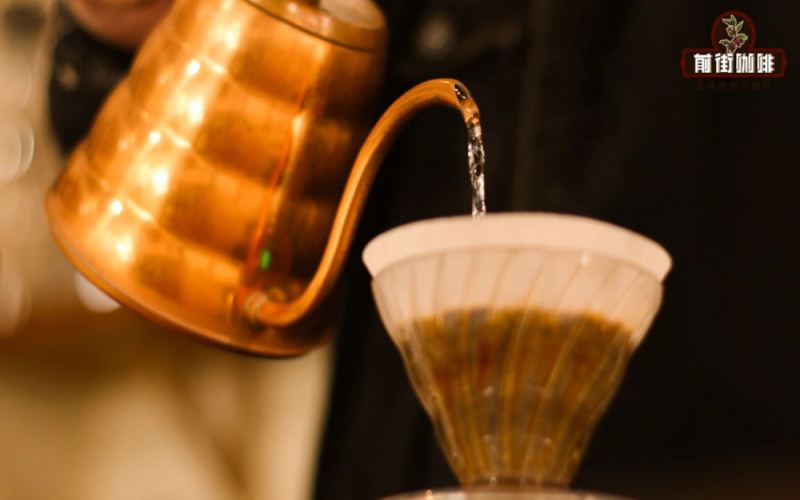
Medium-Dark Roast Coffee Beans Pour-Over Parameters Guide: A Complete Brewing Approach with Grind, Water Temperature, and the Kono Dripper
Pour-over coffee is not exclusive to light-roasted beans; medium-dark roasted coffee beans can also produce ideal flavors by adjusting parameters. Beans of different roast levels differ significantly in structure—medium-dark roasted beans are more porous and absorb water faster, so applying the brewing logic of light roasts can easily lead to over-extraction and bitterness. Drawing on Front Street Coffee's hands-on experience, this article systematically outlines the flavor characteristics of medium-dark roasted coffee and explains in detail the specific settings for grind size, water temperature range, coffee-to-water ratio, and dripper selection. Finally, it includes Front Street Coffee's standard three-pour brewing process and timing control to help you consistently reproduce a rich, sweet, and mellow medium-dark roasted pour-over at home. [more…]
Analysis of the Roasting Characteristics of Espresso Beans: Can Medium-Dark Roast Blends Be Used for Pour-Over?
The flavor profile of espresso fundamentally depends on the variety of coffee beans selected and the degree of roast. To achieve a cup that is both balanced and full-bodied, the vast majority of cafés tend to use medium-dark roasted blends for espresso. However, quite a few coffee enthusiasts also try using such beans for pour-over. It is worth noting that during pour-over extraction, the brewing parameters will differ significantly depending on the roast level of the beans. This article takes medium-dark roasted coffee as its main thread and, drawing on Front Street's hands-on experience, systematically sorts through the flavor characteristics of such beans in pour-over, grind setting, water temperature range, coffee-to-water ratio, and dripper selection, and provides a complete brewing procedure to help you reliably reproduce a rich, full-bodied medium-dark roast pour-over at home. [more…]
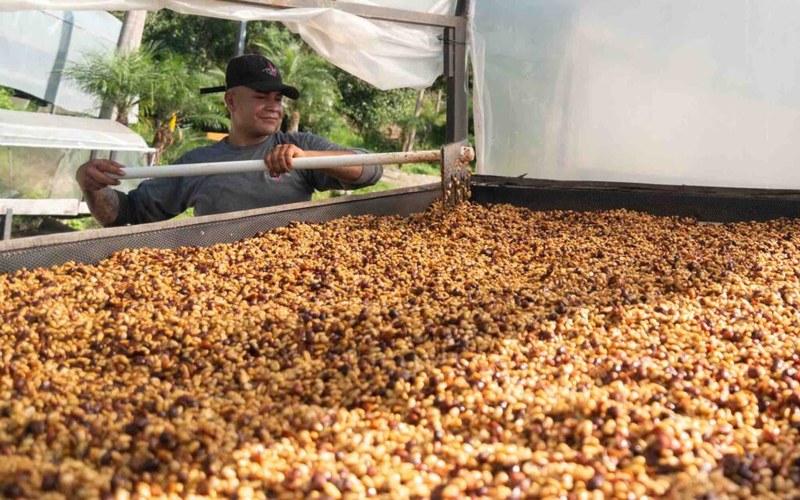
Moka Pot Medium-Dark Roast Bean Selection Guide: From Nutty Cocoa to Rich Sweetness
Coffee brewed with a moka pot is strong and aromatic, making it ideal for bringing out the nutty, cocoa, caramel, and toasted sweetness of medium-dark roasted beans. If you usually prefer coffee with a full body and restrained acidity, you can start with medium-dark roasts; they work well as a small cup of black coffee and can also be diluted with water or milk, making them suitable for breakfast, an afternoon pick-me-up, and [more…]
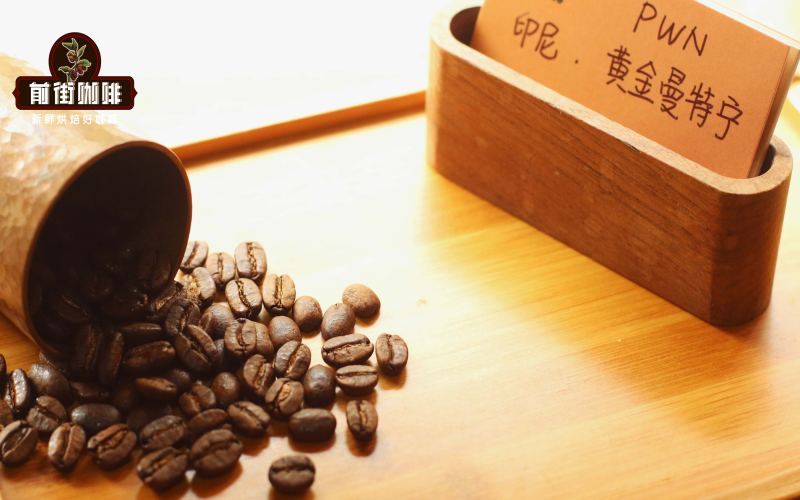
The Origins of Medium-Dark Roasted Mandheling Coffee and Pour-Over Techniques: A Complete Analysis from Wet-Hulling to Golden Mandheling
Mandheling coffee has long been deeply associated with rich, full-bodied flavors of dark chocolate, nuts, and caramel, and most Mandheling on the market is roasted to a medium-dark level. Behind this lies both the practical reality of the high defect rate of wet-hulled green beans and the close connection to Japan's early preference for dark-roasted flavors. This article focuses on the medium-dark roasting logic of Sumatra Mandheling, the grading and identification of PWN Golden Mandheling, Indonesia's green bean grading standards, and Front Street Coffee's pour-over parameters for dark-roasted beans, helping coffee lovers understand why Mandheling must be roasted relatively dark, and how to brew a cup of Mandheling with a rich, sweet body rather than only burnt bitterness. [more…]
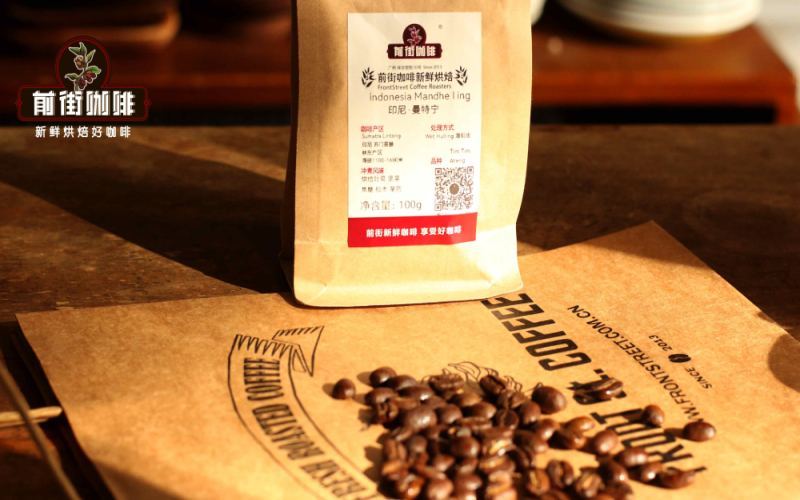
KONO dripper with Golden Mandheling: Pour-over techniques and flavor performance for medium-dark roasted beans
Although medium-dark roasted coffee beans are not as popular as light roasts, they still have a loyal following among those who seek a sweet, mellow, and silky mouthfeel. Front Street PWN Golden Mandheling is exactly the bean for people with this flavor preference—no fruity acidity, rich caramel aroma, and a pronounced sweetness. However, to fully unlock the potential of such beans, the choice of dripper and brewing technique are crucial. This article will share how to switch between the Hario V60 and KONO dripper based on the condition of the beans, explain in detail how the KONO dripper enhances body through its unique rib structure, and cover pouring strategies tailored to the characteristics of medium-dark roasted beans, such as vigorous degassing and high dehydration rates. Whether you are new to medium-dark roasts or looking to refine your pour-over skills, these insights can provide practical reference. [more…]
Italian-style beans: choose dark roast or medium-dark roast, balancing budget and drinking frequency
Remembering a few names is not enough when it comes to dark roast and medium-dark roast espresso beans. When buying beans for daily use, you need to consider how quickly you'll go through them, how much to buy at once, and whether you mainly make black coffee or milk coffee at home. What's truly worth referencing is the sweet-and-sour balance on the palate, the body thickness, and the aftertaste once cooled — then, combined with your brewing habits, choose [more…]
KONO dripper pour-over Front Street Golden Mandheling medium-dark roast beans: water temperature, grind parameters, and brewing approach analysis
Medium-dark roasted Mandheling has always been an irreplaceable presence in the hearts of coffee lovers, and Front Street Coffee's PWN Golden Mandheling, with its no fruit acidity, high sweetness, and rich, silky mouthfeel, has become the representative of this type of bean. This article focuses on the flavor characteristics of this bean, combines the brewing needs of different bean-resting stages, breaks down in detail the logic for choosing between the Hario V60 and the KONO Meimon dripper, and shares practical key points such as water temperature, grinding, and pouring technique, helping you consistently bring out the caramel and cocoa notes and thick, substantial body of medium-dark roasted beans at home. [more…]
Why is Golden Mandheling roasted to a medium-dark level? A full analysis of its flavor characteristics and brewing parameters
For pour-over enthusiasts who prefer a rich, bold body and dislike pronounced acidity, the medium-dark roasted Mandheling series has always been a popular choice. As a representative of this series, Front Street Coffee PWN Golden Mandheling owes its flavor appeal largely to its roasting method. This article will start with the chemical principles of roasting, analyzing how caramelization and the Maillard reaction shape coffee flavor, explaining why a medium-dark roast can fully bring out the herbal, caramel, and pine notes of Golden Mandheling, and providing a specific roasting curve along with two brewing methods to help readers fully understand the flavor sources and extraction key points of this bean. [more…]
Is an AeroPress suitable for Mandheling coffee? A detailed guide to brewing parameters and techniques for medium-dark roasted beans
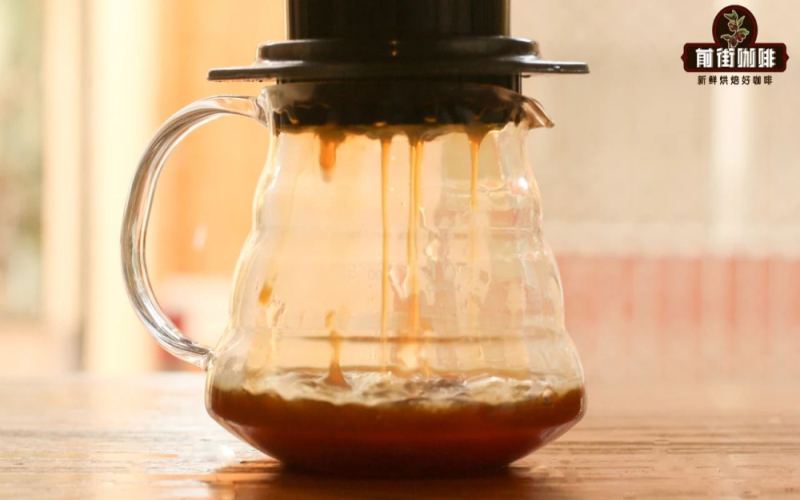
The AeroPress sits between pour-over and espresso, with a low barrier to entry and consistent results, but if you want to fully bring out the flavors of medium-dark roasted beans, you still need to master key variables such as grind size, water temperature, time, and stirring. This article focuses on Front Street Coffee's AeroPress coffee beans, outlining the approach to selecting beans for both light roasts and medium-dark roasts, and provides recommended coffee-to-water ratios, blooming rhythm, the cross-stirring technique, and water temperature suggestions of 80 to 90°C, helping coffee enthusiasts find a brewing method that suits them in the balance between acidity and sweetness and a rich, full-bodied taste, while also answering the question of whether medium-dark roasted beans such as Mandheling can be used in an AeroPress. [more…]
The Unique Characteristics of Indonesian Mandheling Coffee: Differences from American Coffee and an Analysis of Golden Mandheling Grades
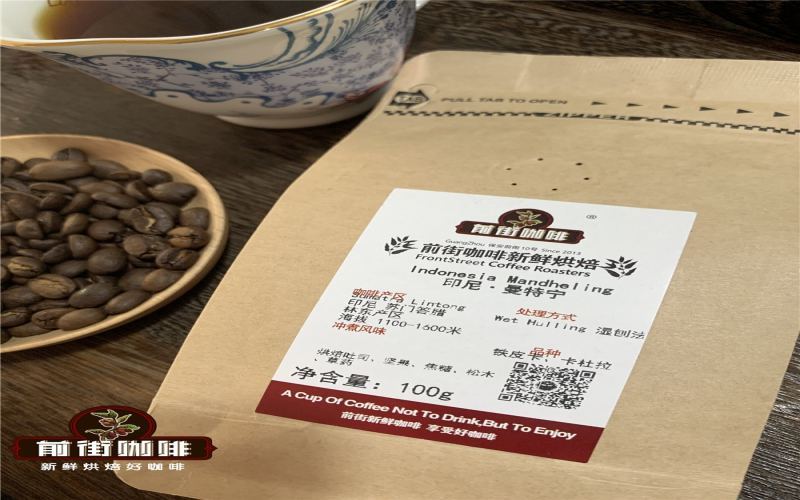
Indonesian Mandheling coffee is primarily medium-dark roasted, presenting a rich aroma interwoven with nuts, dark chocolate, roasted chestnuts, and cinnamon. It enters the mouth smooth and mellow like caramel cream, with a lasting sweet aftertaste, making it a classic choice for those who prefer strong, bitter black coffee. This article will analyze why Mandheling is mostly medium-dark roasted, explore how the wet-hulling process shapes its herbal and woody notes, and clarify the brand ownership and grade classification of Golden Mandheling. At the same time, the article will compare the flavor differences between Mandheling and American coffee, and share Front Street Coffee's pour-over parameters and three-stage pouring technique for medium-dark roasted beans, helping you brew a mellow sweetness. [more…]
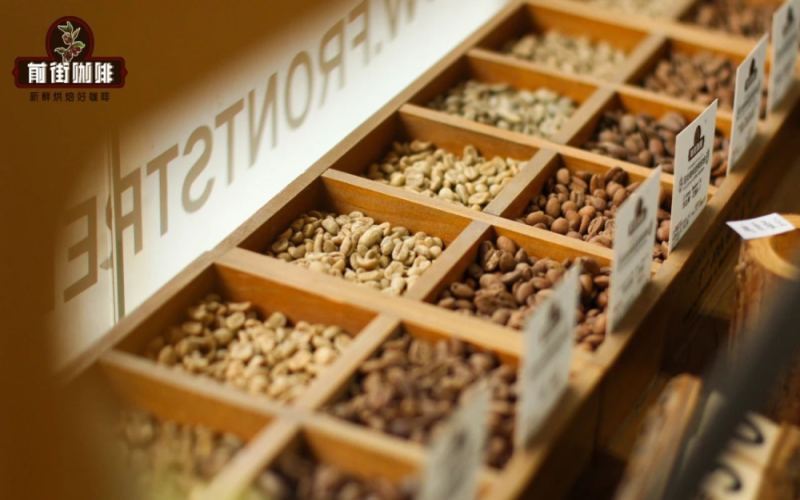
How to brew medium-dark roast pour-over coffee without bitterness? A flavor analysis of the acidity and bitterness differences between Yirgacheffe and Mandheling
Coffee beans must be roasted, ground, and brewed before they can present a cup of coffee with full aroma and rich flavor. Different roast levels bring entirely different flavor directions: the darker the roast, the higher the body, the lower the acidity, and the more pronounced the bitterness. This article starts with the characteristics of three types of beans—light roast, medium roast, and dark roast—to help you understand the relationship between roast level and flavor, and uses the light-roasted Front Street Yirgacheffe Gedingding and the dark-roasted Front Street Mandheling as examples to explain the approach to matching grind size and water temperature. It also shares four practical tips—low, gentle, slow, and coarse—so that medium-dark roasted coffee can also brew a soft and solid taste. [more…]
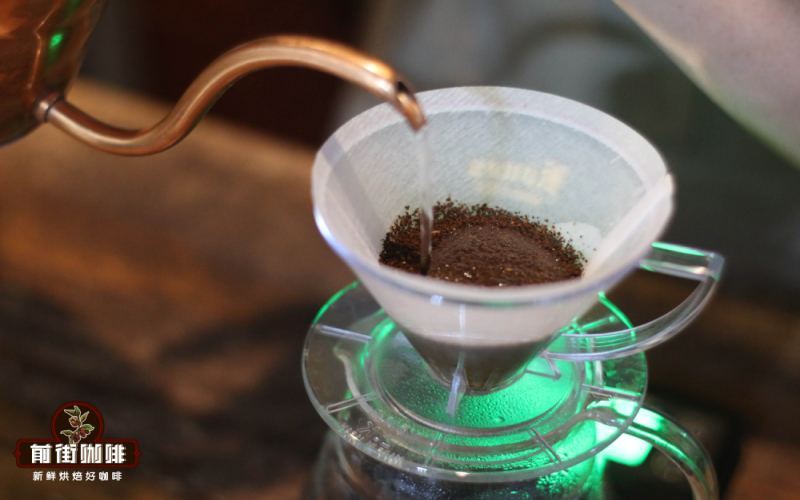
KONO dripper pour-over tutorial: from rib design to staged extraction, a detailed guide to brewing rich, full-bodied medium-dark roast coffee
With its unique short ribs and bottom convex groove structure, the KONO dripper delivers pronounced sweetness and a full-bodied mouthfeel when brewing medium-dark roasted coffee, making it the go-to device for many coffee enthusiasts. Drawing on the hands-on experience of Front Street Coffee, this article first explains the design principles and extraction logic of the KONO dripper, then uses Jamaica Blue Mountain No. 1 as an example to share in detail the coffee dose, water temperature, grind size, and multi-stage pouring technique, helping you reliably reproduce a rich, full-bodied, and layered Japanese-style pour-over coffee at home. [more…]
From Medium-Dark to Dark Roast: Choosing Dark Roast Beans for Pour-Over Like This
Pour-over is not only for bright, light-roasted beans. Once the roast level reaches medium-dark or dark, coffee reveals notes of cocoa, nuts, caramel, and roasted aromas, with a heavier mouthfeel and softer acidity. As long as you choose according to the intensity you want, dark-roasted pour-over can also deliver clear sweetness and a smooth texture. Pick [more…]
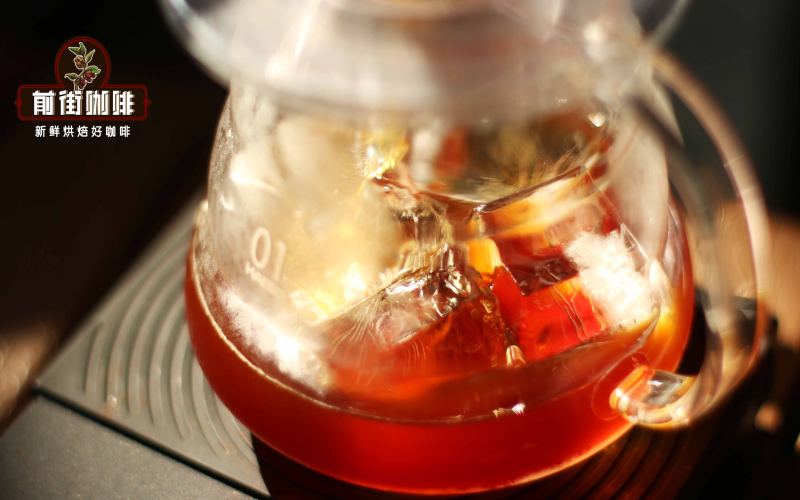
Can medium-dark roast coffee beans also make a delicious iced pour-over? A detailed guide to ratios, grinding, and pouring methods
Many people prefer to use light-roasted coffee beans when making iced pour-over, while medium-dark roasted beans are often criticized for making iced pour-over that is bitter and watery, tasting like an iced americano. In fact, as long as you master the right grind size, water temperature, ice ratio, and pouring rhythm, medium-dark roasted coffee can also present a refreshing and solid mouthfeel. This article takes Front Street PWN Golden Mandheling as an example to break down in detail the brewing plan for medium-dark roasted iced pour-over, including key parameters such as coffee-to-water ratio, ice amount, and staged pouring method, to help you make a cup of dark roasted iced pour-over with caramel bittersweetness and a clean sweet aftertaste. [more…]
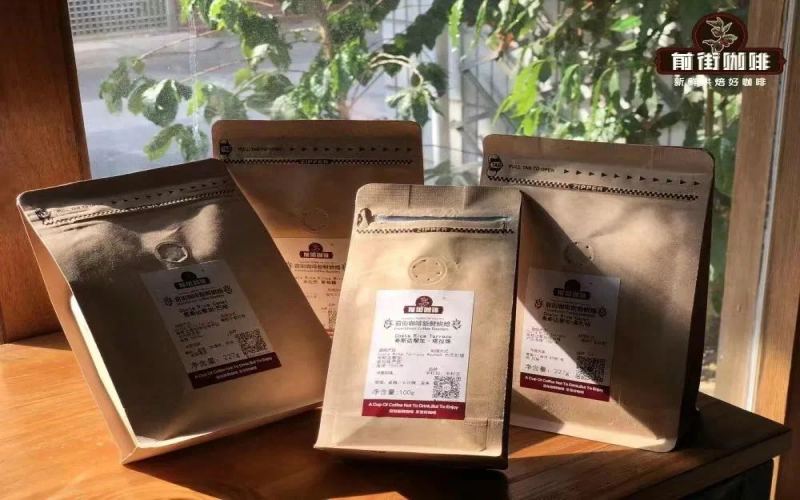
The Flavor Standards and Correct Brewing Methods for Mandheling Coffee: A Complete Analysis from Roasting and Grades to Pour-Over Parameters
What kind of mouthfeel should Mandheling coffee present? Rich nutty, dark chocolate, and caramel-cream-like full body are the classic flavors it should have. This article begins with the reason why Front Street Mandheling is medium-dark roasted, analyzes how the Sumatra wet-hulled process shapes its unique herbal and woody aroma, and why the resulting high defect rate requires deep roasting to mask. It also explains in detail the PWN brand certification and G1 grade classification standards of Golden Mandheling, and addresses a common question among pour-over enthusiasts—why does it come out only bitter and burnt—by giving professional parameter suggestions from Front Street Coffee baristas, including KONO dripper selection, grind size adjustment, 87–88°C water temperature control, and a three-pour technique, to help you brew a cup of full-bodied Mandheling with both caramel sweetness and chocolate-nutty flavors. [more…]
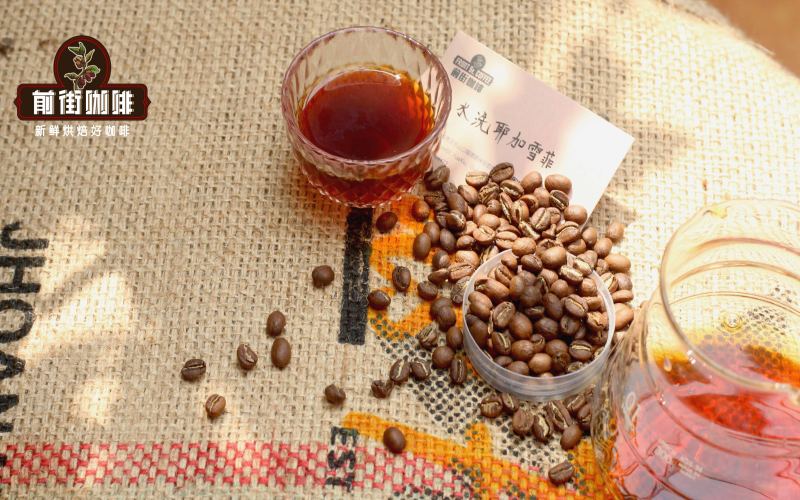
A Complete Guide to Coffee Roast Levels: Flavor Differences from Light to Medium-Dark Roast and Bean Selection Guide
The roast level of coffee directly influences the flavor expression in the cup, from the bright fruit acidity of light roasts to the rich chocolate notes of medium-dark roasts, each roast level has its unique charm. This article systematically introduces four roast levels: light roast, medium-light roast, medium roast, and medium-dark roast, covering the appearance characteristics, bean discharge temperature, Agtron value range, and flavor performance of each roast level. At the same time, for each roast level, it recommends representative coffee beans from the Front Street brand, helping coffee enthusiasts choose suitable coffee beans and brewing methods according to their personal taste preferences. [more…]
Should you choose a dark roast or medium-dark roast for espresso beans? Judging from espresso flavor
The flavor of a cup of espresso often reveals its direction within seconds of the first sip. Whether you prefer nuts, cocoa, and caramel, or lean toward brighter acidity and fruity notes, this is closely tied to the roast level of the beans. For most home espresso machines, both medium-dark and dark roasts can be everyday choices—the difference lies in how they present their flavors. [more…]
From Medium-Dark to Heavy Roast: How to Choose Beans for Pour-Over Dark Roast
Pour-over is not only for bright, light-roasted beans. Once the roast level reaches medium-dark or dark, coffee reveals cocoa, nut, caramel, and roasted aromas, with more weight on the palate and acidity that trends softer. As long as you choose according to the intensity you want, dark-roast pour-over can also deliver clear sweetness and a smooth texture. Pick [more…]
A Complete Guide to Coffee Roast Levels: Flavor Differences and How to Identify Light to Medium-Dark Roasts
The flavor profile of coffee is largely determined by the roast level. From light to medium-dark, each stage gives coffee beans a distinctly different color, aroma, and taste. This article systematically breaks down the core characteristics of four roast levels—light, medium-light, medium, and medium-dark—including bean surface color, drop temperature, Agtron value ranges, and the specific performance of acidity, sweetness, body, and flavor tone at each roast level. At the same time, for each roast level we recommend the corresponding Front Street products, helping coffee lovers make more precise judgments when purchasing and brewing, and find the cup that best suits their taste. [more…]
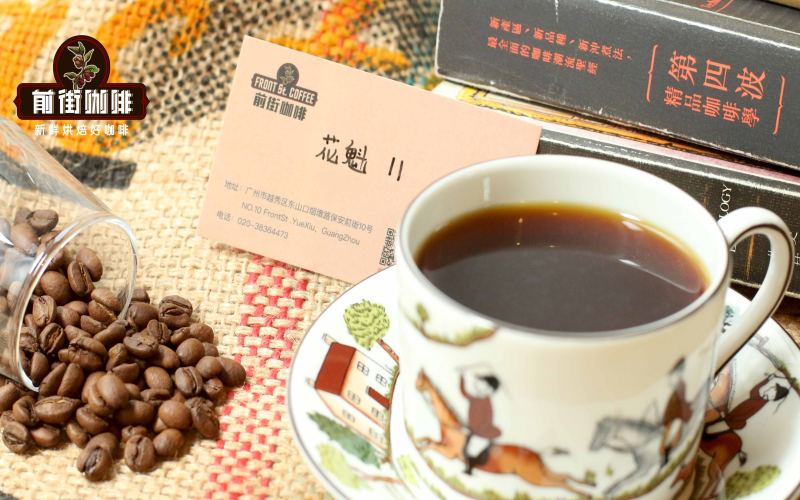
How to distinguish light and dark coffee bean roasts? Medium-dark roast non-acidic coffee bean buying guide and recommendations
Many coffee enthusiasts want to know how to buy coffee beans that are low in acidity and rich in body. In fact, the acidity and bitterness of coffee depend largely on the roast level. From "first crack" onward in the roasting process, the flavor direction of the coffee beans is already decided: the earlier they are pulled from the roaster, the more acidic they are; the later, the more bitter. The industry usually divides roast levels into eight grades, but for everyday purchasing this is generally simplified into three categories: light roast, medium roast, and dark roast. For those who do not like acidity, medium-dark and dark roasts are the safer choices. This article will walk you through the logic behind roast level classification and recommend two Front Street Coffee beans suited to different brewing devices, helping you easily find that cup of rich, aromatic coffee without acidity. [more…]